Dogs are more than pets. For millions of families across the United States, they are loyal companions, exercise partners, protectors, and beloved members of the family. From energetic Golden Retrievers to playful French Bulldogs and intelligent German Shepherds, dogs come in different sizes, personalities, and activity levels.
Owning a dog is a rewarding experience, but it also comes with responsibilities. Choosing the right breed, providing nutritious food, selecting safe toys, maintaining good hygiene, and scheduling regular veterinary visits are all essential parts of responsible dog ownership.
In this comprehensive guide, we will explore popular dog breeds in the USA, the best types of dog food, essential toys and accessories, grooming practices, training tips, and everything new and experienced dog owners should know to help their furry friends live happy, healthy lives.
1. Popular Dog Breeds in the USA
The United States is home to a wide variety of dog breeds. Some are ideal for active families, while others are better suited to apartment living or quieter households. The best breed depends on your lifestyle, available space, experience with dogs, and ability to meet the animal’s exercise and grooming needs.
Golden Retriever

Golden Retrievers are friendly, affectionate, and intelligent dogs. They are popular with families because they often enjoy socializing, playing fetch, and participating in outdoor activities.
Key characteristics:
- Size: Large
- Temperament: Friendly, patient, and sociable
- Exercise: High
- Grooming: Regular brushing
- Best suited for: Active families and people who enjoy outdoor activities
Golden Retrievers need daily exercise, companionship, and consistent training. Their thick coats shed regularly, so brushing is important.
Labrador Retriever

Labrador Retrievers are known for their outgoing personalities and eagerness to learn. They often enjoy swimming, walking, running, and retrieving toys.
Key characteristics:
- Size: Large
- Temperament: Friendly, energetic, and trainable
- Exercise: High
- Grooming: Moderate
- Best suited for: Active individuals and families
Labs can gain excess weight if they receive too many treats or insufficient exercise. Measuring food portions and maintaining an appropriate activity routine can help keep them healthy.
French Bulldog
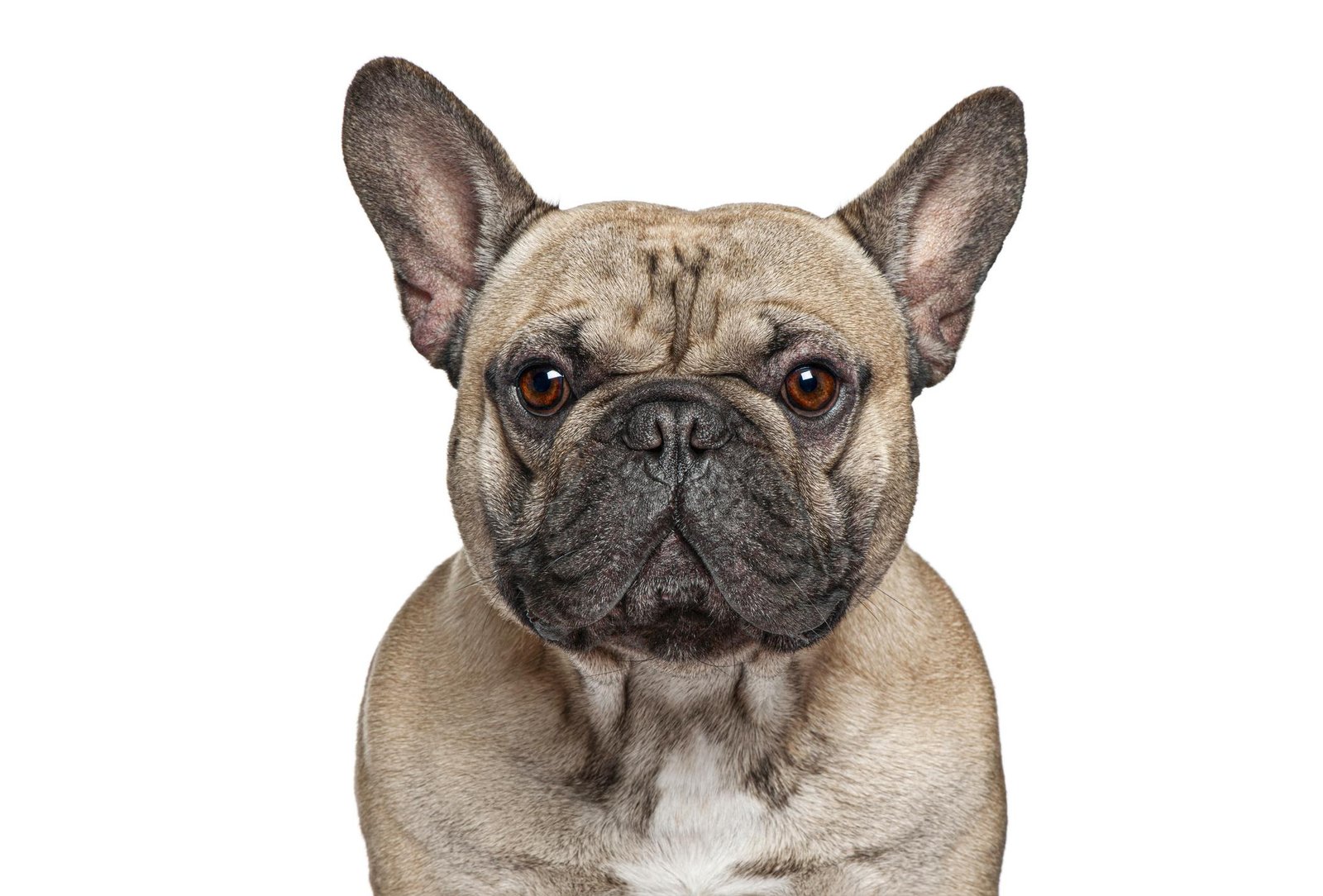
French Bulldogs are compact companion dogs known for their distinctive ears and affectionate personalities. Their relatively small size makes them appealing to people living in apartments.
Key characteristics:
- Size: Small
- Temperament: Playful, affectionate, and adaptable
- Exercise: Low to moderate
- Grooming: Relatively low maintenance
- Best suited for: Apartment dwellers and households seeking a companion dog
French Bulldogs can experience breathing difficulties because of their short faces. Owners should avoid strenuous exercise and excessive heat, and seek veterinary advice about breathing or sleep problems.
German Shepherd
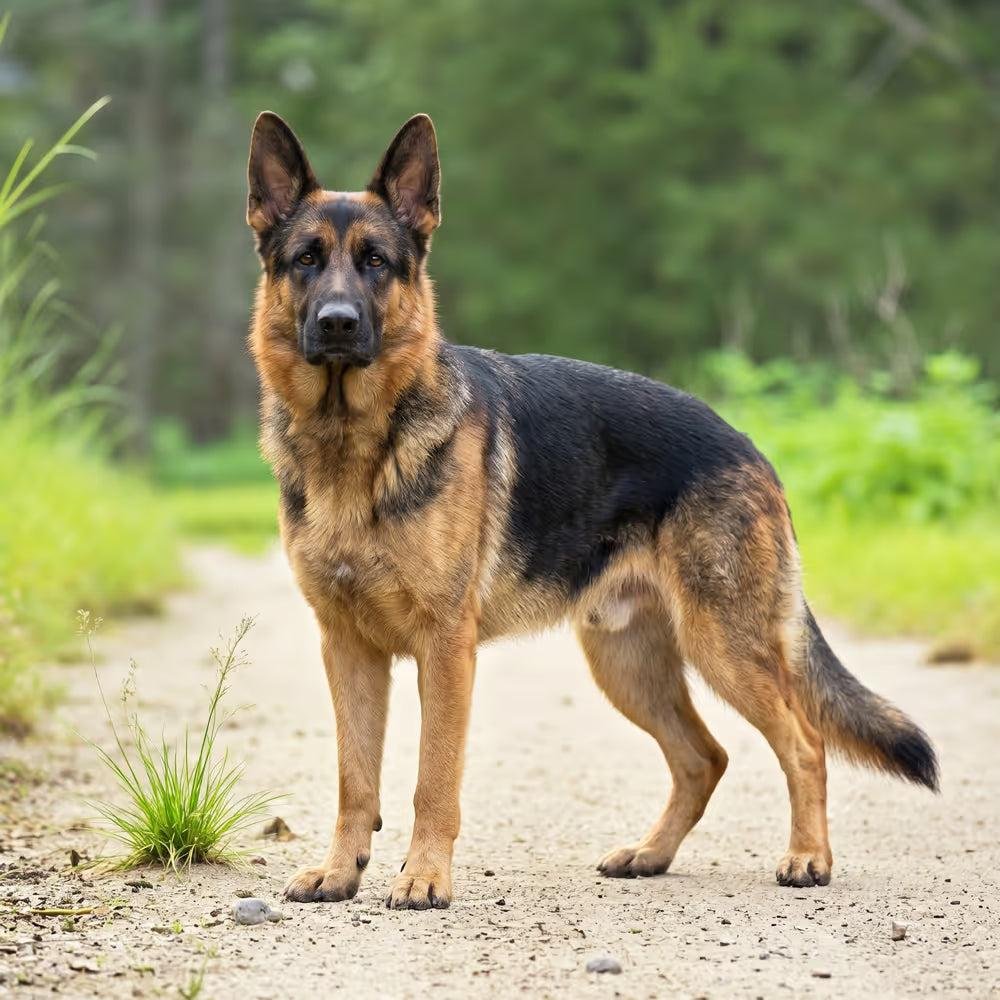
German Shepherds are intelligent, loyal, and versatile dogs. They are commonly associated with working roles, including assistance, search and rescue, and law enforcement.
Key characteristics:
- Size: Large
- Temperament: Intelligent, loyal, and alert
- Exercise: High
- Grooming: Frequent brushing
- Best suited for: Experienced owners and active households
German Shepherds benefit from early socialization, structured training, mental stimulation, and plenty of exercise.
Poodle
Poodles are highly intelligent dogs available in Standard, Miniature, and Toy sizes. Their curly coats shed relatively little compared with many breeds, although individual dogs vary.
Key characteristics:
- Size: Small to large, depending on variety
- Temperament: Intelligent, active, and responsive
- Exercise: Moderate to high
- Grooming: High
- Best suited for: Owners who enjoy training and can maintain regular coat care
Poodles require consistent grooming to prevent tangles and mats. Their intelligence also makes puzzle toys and reward-based training useful activities.
Beagle
Beagles are curious, friendly dogs with a strong sense of smell. They enjoy exploring, sniffing, and following interesting scents.
Key characteristics:
- Size: Small to medium
- Temperament: Curious, cheerful, and sociable
- Exercise: Moderate to high
- Grooming: Relatively low maintenance
- Best suited for: Families and owners who enjoy walks and interactive play
Because Beagles may follow scents without noticing their surroundings, secure fencing and leash control are especially important.
Other Popular Dog Breeds
Other breeds commonly found in American households include Dachshunds, Bulldogs, Rottweilers, Siberian Huskies, Shih Tzus, Yorkshire Terriers, and mixed-breed dogs.
When selecting a dog, consider its individual personality, expected adult size, health needs, exercise requirements, and compatibility with children or other animals. Adopting from an animal shelter or rescue organization can also be a wonderful way to find a companion.
2. How to Choose the Right Dog Breed
Choosing a dog should involve more than appearance or popularity. A dog that fits your daily routine is more likely to thrive in your home.
Consider Your Living Space
Small dogs can adapt well to apartments, but size alone does not determine whether a dog is suitable for a small home. Some small breeds are energetic and vocal, while some larger dogs are relatively relaxed indoors.
Consider noise levels, access to outdoor areas, building rules, and opportunities for exercise.
Evaluate Your Activity Level
Active breeds may need long walks, running opportunities, training sessions, and mentally challenging games. Other dogs may be content with shorter walks and relaxed play.
Choose a dog whose needs you can meet consistently, even during busy workweeks or bad weather.
Think About Grooming Requirements
Some dogs need only occasional brushing, while others require frequent brushing, professional grooming, or special coat maintenance.
Remember that low-shedding does not necessarily mean low-maintenance.
Understand Long-Term Costs
Dog ownership involves ongoing expenses, including food, routine veterinary care, vaccinations, preventive medications, grooming, training, toys, and emergency medical treatment.
Before bringing home a dog, create a realistic budget and consider pet insurance or an emergency savings fund.
3. Dog Food in the USA: Choosing the Right Nutrition
Food is one of the most important parts of dog care. A balanced diet supports healthy growth, muscle development, digestion, skin, coat condition, and overall well-being.
The right food depends on a dog’s age, size, activity level, body condition, and medical needs.
Types of Dog Food
Dry Dog Food
Dry food, often called kibble, is widely available throughout the USA.
Benefits include:
- Convenient storage and serving
- Easy portion measurement
- A wide range of formulas and price points
- No refrigeration required for unopened packages under normal storage conditions
Choose a complete and balanced formula appropriate for your dog’s life stage. Keep dry food in a cool, dry place in a sealed container, following the manufacturer’s storage instructions.
Wet Dog Food
Wet food is sold in cans, trays, and pouches. It often contains more moisture than dry food and may appeal to dogs that prefer a softer texture.
Benefits include:
- Higher moisture content
- Soft texture that may suit some dogs
- Convenient single-serving options
Once opened, wet food should be refrigerated promptly and used according to the package instructions.
Fresh and Gently Cooked Dog Food
Fresh dog food products are available through refrigerated sections, subscription services, and selected retailers.
Some owners prefer these products because of their texture or ingredient presentation. However, fresh food is not automatically healthier than kibble or canned food. Check whether the diet is complete and balanced, how it is stored, and whether the company provides qualified nutritional expertise.
Freeze-Dried and Dehydrated Food
These products remove much of the food’s moisture to make storage easier. Some are complete diets, while others are intended only as toppers or treats.
Read the label carefully and follow any rehydration and food-safety directions.
Popular Dog Food Brands in the USA
American dog owners can find many established pet food brands, including:
- Purina Pro Plan: Offers formulas for different life stages, sizes, and specific nutritional needs.
- Hill’s Science Diet: Provides life-stage and condition-focused food options.
- Royal Canin: Offers size-specific, breed-specific, and veterinary diets.
- Blue Buffalo: Sells a range of dry and wet dog food products.
- Wellness: Offers several food lines, including dry and wet options.
- Iams: Provides everyday dog food formulas for different life stages.
These are examples of available brands, not a universal ranking. Product quality and suitability depend on the specific formula and the individual dog.
How to Read a Dog Food Label
When shopping for dog food, check the following:
- Nutritional adequacy statement: Look for a statement indicating that the food is complete and balanced for the appropriate life stage under applicable AAFCO nutritional standards.
- Life stage: Puppies, adults, and senior dogs may have different nutritional requirements.
- Feeding directions: Use these as a starting point and adjust portions with veterinary guidance based on body condition.
- Manufacturer information: Consider whether the company employs qualified nutrition professionals and performs appropriate quality-control testing.
- Calories per serving: This helps you manage daily calorie intake and avoid overfeeding.
- Special dietary needs: Dogs with allergies, digestive problems, or medical conditions may need a veterinarian-recommended diet.
Ingredients matter, but they should not be the only basis for choosing food. A dog’s nutritional needs and the diet’s overall formulation are more important than marketing terms on the package.
How Much Should You Feed Your Dog?
There is no single portion size that works for every dog. Feeding requirements vary according to weight, age, activity, metabolism, and the food’s calorie content.
Measure meals rather than estimating portions by eye. Follow the package guidance as a starting point, monitor your dog’s body condition, and consult your veterinarian if weight changes unexpectedly.
Treats should generally make up no more than about 10% of daily calories, with the rest coming from a nutritionally complete diet.
Foods Dogs Should Avoid
Some everyday human foods can be dangerous to dogs. Keep the following away from your pet:
- Chocolate and cocoa products
- Grapes and raisins
- Onions, garlic, and related allium foods
- Products containing xylitol, an artificial sweetener
- Alcohol and caffeinated drinks
- Macadamia nuts
- Raw bread dough containing yeast
- Cooked bones that can splinter
High-fat foods and heavily seasoned leftovers can also cause problems. If your dog eats a potentially toxic substance, contact a veterinarian or an animal poison-control service promptly rather than waiting for symptoms.
4. Dog Toys: Keeping Your Pet Active and Happy
Toys provide exercise, entertainment, mental stimulation, and opportunities to strengthen the bond between dogs and their owners.
The best toys depend on the dog’s age, chewing strength, play style, and size.
Chew Toys
Chew toys can help satisfy a dog’s natural desire to chew and provide enrichment.
Look for products made from materials appropriate for your dog’s chewing style. Avoid toys that are so hard they may damage teeth, and replace damaged toys before pieces can be swallowed.
Supervise dogs that tend to destroy or ingest toys.
Interactive Puzzle Toys
Puzzle feeders and treat-dispensing toys encourage dogs to solve simple problems to access food or treats.
They can be particularly useful for dogs that need additional mental stimulation indoors. Start with an easy puzzle and gradually increase the difficulty.
Always use suitable treats and account for their calories in the dog’s daily food allowance.
Fetch Toys
Balls, soft retrieval toys, and flying discs can encourage active play.
Choose a toy that is too large to swallow and suitable for the dog’s mouth. Avoid damaged balls or objects that could become choking hazards.
For dogs with breathing problems, joint conditions, or limited stamina, ask your veterinarian which activities are appropriate.
Rope Toys
Rope toys can be useful for supervised tug games. However, loose strands may be swallowed and can cause serious digestive problems.
Inspect rope toys frequently, and remove them if fibers begin to unravel.
Plush Toys
Soft toys may be ideal for dogs that enjoy carrying, cuddling, or gently playing with their toys.
Aggressive chewers may tear open plush toys and swallow stuffing or squeakers. Supervise play and discard toys once they become damaged.
Choosing Safe Dog Toys
Before buying a toy, ask yourself:
- Is it the right size for my dog?
- Can my dog break it into small pieces?
- Could the toy damage teeth?
- Are there loose parts, strings, or exposed stuffing?
- Can I clean it according to the manufacturer’s instructions?
- Does my dog need supervision while using it?
No toy is completely indestructible. Regular inspection and appropriate supervision are important.
5. Dog Accessories Every Owner Should Consider
In addition to food and toys, several accessories can make everyday dog care easier.
Collar, Harness, and Leash
A properly fitted collar can hold identification tags, while a well-fitted harness may help provide better control during walks. Choose a secure leash appropriate for the dog’s size and strength.
Check the fit regularly, especially for growing puppies.
Food and Water Bowls
Stainless steel and other easy-to-clean materials can be practical choices. Wash food bowls regularly and provide access to clean drinking water throughout the day.
Dog Bed
A comfortable bed gives your dog a dedicated resting area. Choose a size and material appropriate for the dog’s body, climate, and chewing habits.
Grooming Supplies
Useful items may include a suitable brush, dog shampoo, nail trimmers, and a toothbrush with dog-safe toothpaste.
Never use human toothpaste for dogs unless a veterinarian specifically directs you to an appropriate product.
Identification and Microchips
Identification tags can help someone contact you if your dog gets lost. A registered microchip provides another way to identify your pet, but it is important to keep the associated contact information updated.
6. Dog Grooming and Hygiene
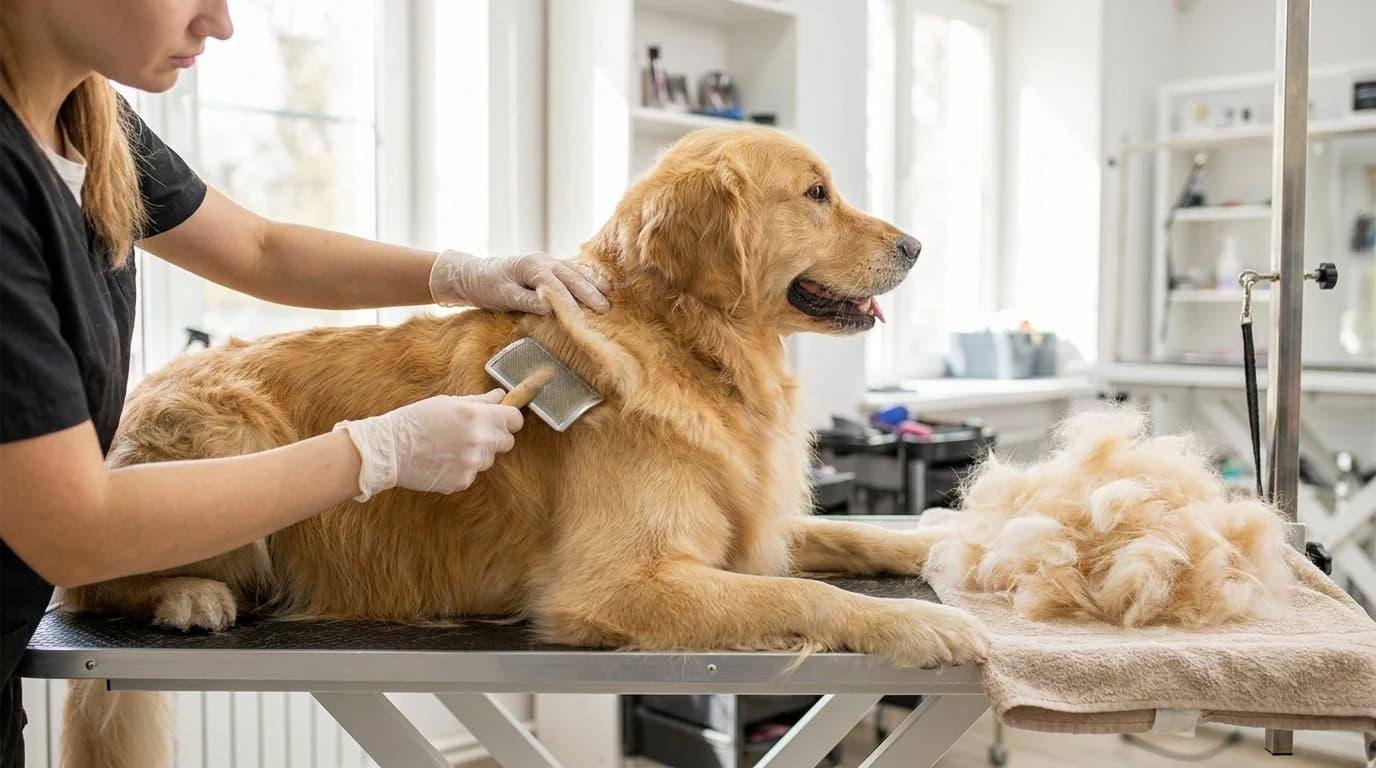
Grooming helps maintain coat condition, cleanliness, and comfort. It also gives owners a chance to notice changes such as lumps, skin irritation, parasites, or sore areas.
Brushing
Brushing frequency depends on the breed and coat type. Long-haired and curly-coated dogs may need daily attention, while short-coated dogs often require less frequent brushing.
Use a brush suited to the dog’s coat and introduce grooming gradually with rewards.
Bathing
Bathe your dog when needed using a dog-appropriate shampoo. Excessive bathing or unsuitable products may irritate the skin.
Dry the coat thoroughly, especially in areas where moisture can become trapped.
Dental Care
Dental disease is common in dogs. Brushing with dog-safe toothpaste is an effective way to help reduce plaque buildup.
Dental chews and veterinary dental examinations may also help maintain oral health. Ask your veterinarian how often your dog’s teeth should be checked.
Nail Trimming and Ear Care
Overgrown nails can cause discomfort and affect walking. Trim them carefully, or ask a veterinarian or professional groomer for help.
Check your dog’s ears for redness, odor, discharge, or excessive scratching. Avoid inserting cotton swabs deep into the ear canal, and seek veterinary advice if you notice signs of infection.
7. Dog Training and Behavior
Training helps dogs learn household rules, communicate with people, and navigate the world safely.
Start With Basic Commands
Useful early skills include:
- Sit
- Stay
- Come
- Leave it
- Drop it
- Walking calmly on a leash
Keep training sessions short and positive. Reward the behaviors you want to encourage with treats, toys, praise, or play.
Socialization
Gradual, positive exposure to different people, environments, sounds, and appropriate dogs can help puppies develop confidence.
Puppies should be socialized thoughtfully while following veterinary advice about vaccinations and local disease risks.
House Training
Create a consistent schedule for bathroom breaks, particularly after waking, eating, drinking, and playing.
Reward your dog immediately after it goes in the correct location. Clean accidents thoroughly and avoid punishment, which can increase fear without teaching the desired behavior.
Preventing Separation Problems
Dogs need time to adjust to being alone. Introduce short absences gradually and provide appropriate enrichment.
Persistent barking, destructive behavior, panic, or attempts to escape when left alone may indicate separation-related distress. A veterinarian or qualified behavior professional can help develop a suitable plan.
8. Dog Health and Veterinary Care

Preventive healthcare can help detect problems early and support a better quality of life.
Routine Veterinary Visits
Schedule veterinary examinations according to your dog’s age, health, and medical history. Puppies generally need a series of early visits, while adult and senior dogs may need different monitoring schedules.
Your veterinarian can advise you about:
- Vaccinations
- Flea, tick, and parasite prevention
- Heartworm prevention where appropriate
- Dental health
- Nutrition and weight management
- Spaying or neutering
- Age-related health screening
Exercise and Healthy Weight
Daily activity supports physical fitness and mental well-being. Walking, sniffing games, retrieving, and training can all provide enrichment.
Adjust exercise to the dog’s age, breed, fitness, and medical condition. Avoid intense activity during hot weather, especially for short-nosed breeds.
Warning Signs to Take Seriously
Contact a veterinarian if your dog has persistent vomiting or diarrhea, reduced appetite, unexplained weight loss, unusual lethargy, or ongoing pain.
Difficulty breathing, collapse, seizures, suspected poisoning, or a swollen abdomen accompanied by distress can be emergencies. Seek urgent veterinary care.
9. Dog Adoption in the USA
People looking for a dog in the United States can consider animal shelters, rescue organizations, reputable breeders, and breed-specific rescue groups.
Adoption can provide a home to a dog in need while allowing prospective owners to learn about the dog’s known personality, health, and behavioral history.
If buying from a breeder, look for transparency, appropriate health testing, humane living conditions, and a willingness to answer questions. Avoid sellers who refuse to let you understand where puppies are raised or who pressure you into immediate purchases.
Before bringing a dog home:
- Prepare food, bowls, bedding, a leash, and appropriate toys.
- Remove toxic foods and dangerous household objects from reach.
- Arrange a veterinary appointment.
- Discuss household rules with everyone who will care for the dog.
- Plan for exercise, training, supervision, and time alone.
- Check local licensing, leash, vaccination, and pet housing requirements.
A dog is a long-term commitment, so preparation is just as important as excitement.
10. Dog Care in Different American Seasons
The climate in the USA varies widely, from hot southern states to snowy northern regions. Adjusting dog care to the weather is important.
Summer Care
Provide shade, fresh water, and access to a cool indoor area. Avoid strenuous exercise during peak heat and use caution on hot pavement.
Never leave a dog unattended in a parked vehicle, even if the windows are slightly open.
Winter Care
Some dogs need coats or shorter outdoor trips in very cold weather, while others tolerate cold better. Wipe paws after walks to remove ice, road salt, or other irritants.
Watch for signs of discomfort and avoid prolonged exposure to extreme cold.
Spring and Fall
These seasons may bring seasonal allergies, fleas, ticks, and changing temperatures. Ask your veterinarian about preventive care appropriate to your region.
11. The Cost of Owning a Dog in the USA
The cost of dog ownership varies considerably by location, breed, size, health, and lifestyle.
Common expenses include:
- Adoption or purchase fees
- Food and treats
- Routine veterinary care
- Vaccinations and preventive medications
- Grooming
- Leashes, beds, and toys
- Training classes or dog walking
- Boarding or pet sitting
- Pet insurance or emergency savings
Large dogs often eat more than small dogs, and breeds with specialized grooming or medical needs may cost more to care for. Unexpected veterinary treatment can also be expensive.
Create a monthly budget, compare service providers carefully, and maintain a separate reserve for emergencies whenever possible.
12. Frequently Asked Questions About Dogs in the USA
What is the best dog breed for families?
There is no single best breed for every family. Labrador Retrievers, Golden Retrievers, Poodles, and many mixed-breed dogs may be good matches, depending on temperament, training, activity level, and the family’s circumstances. Always supervise interactions between dogs and young children.
What is the best dog food in the USA?
The best food is a complete and balanced diet that suits your dog’s life stage, health, and nutritional requirements. Compare nutritional adequacy statements, feeding guidance, manufacturer expertise, and veterinary recommendations rather than relying only on brand popularity.
What are the best toys for dogs?
Good options include appropriately sized chew toys, puzzle feeders, fetch toys, and supervised plush toys. The safest choice depends on your dog’s size, chewing strength, and play style.
How often should I feed my dog?
Many adult dogs do well with two meals a day, while puppies generally need more frequent meals. Feeding schedules should reflect age, health, activity, and veterinary advice.
Are small dogs easier to care for than large dogs?
Not necessarily. Small dogs may eat less, but they still need training, veterinary care, exercise, social interaction, and grooming. Some small breeds also have significant health or coat-care requirements.
Should I adopt a dog or buy from a breeder?
Both options require careful research. Adoption can provide a home to a dog in need, while a responsible breeder may help you understand the expected traits and health risks of a particular breed. In either case, prioritize health, humane treatment, and a good match for your household.
Conclusion
Dogs bring companionship, happiness, and countless memorable experiences to households across the United States. Whether you choose a Golden Retriever, Labrador Retriever, French Bulldog, Poodle, Beagle, or mixed-breed companion, responsible ownership starts with understanding your dog’s individual needs.
Providing balanced dog food, safe toys, regular exercise, consistent training, proper grooming, and preventive veterinary care helps support a healthy and fulfilling life.
Before choosing a breed or purchasing pet products, take time to research your options and consult qualified professionals when needed. With thoughtful preparation, patience, and love, you can build a strong bond with your dog and give your furry companion a wonderful place in your family.
A happy dog starts with a caring owner, the right nutrition, safe play, and a lifetime of companionship.